







Exploring the hidden psychology behind casino gambling habits
The Allure of Chance
Casino gambling captivates millions around the world, drawing them into a realm where risk and reward entwine. One of the foremost psychological aspects at play is the allure of chance, where players may enjoy activities at an australian online casino. The unpredictability of outcomes creates a stimulating environment that triggers excitement and anticipation. This thrill can lead to what experts describe as a ‘gambling high,’ where players feel a rush akin to the adrenaline experienced during extreme sports.
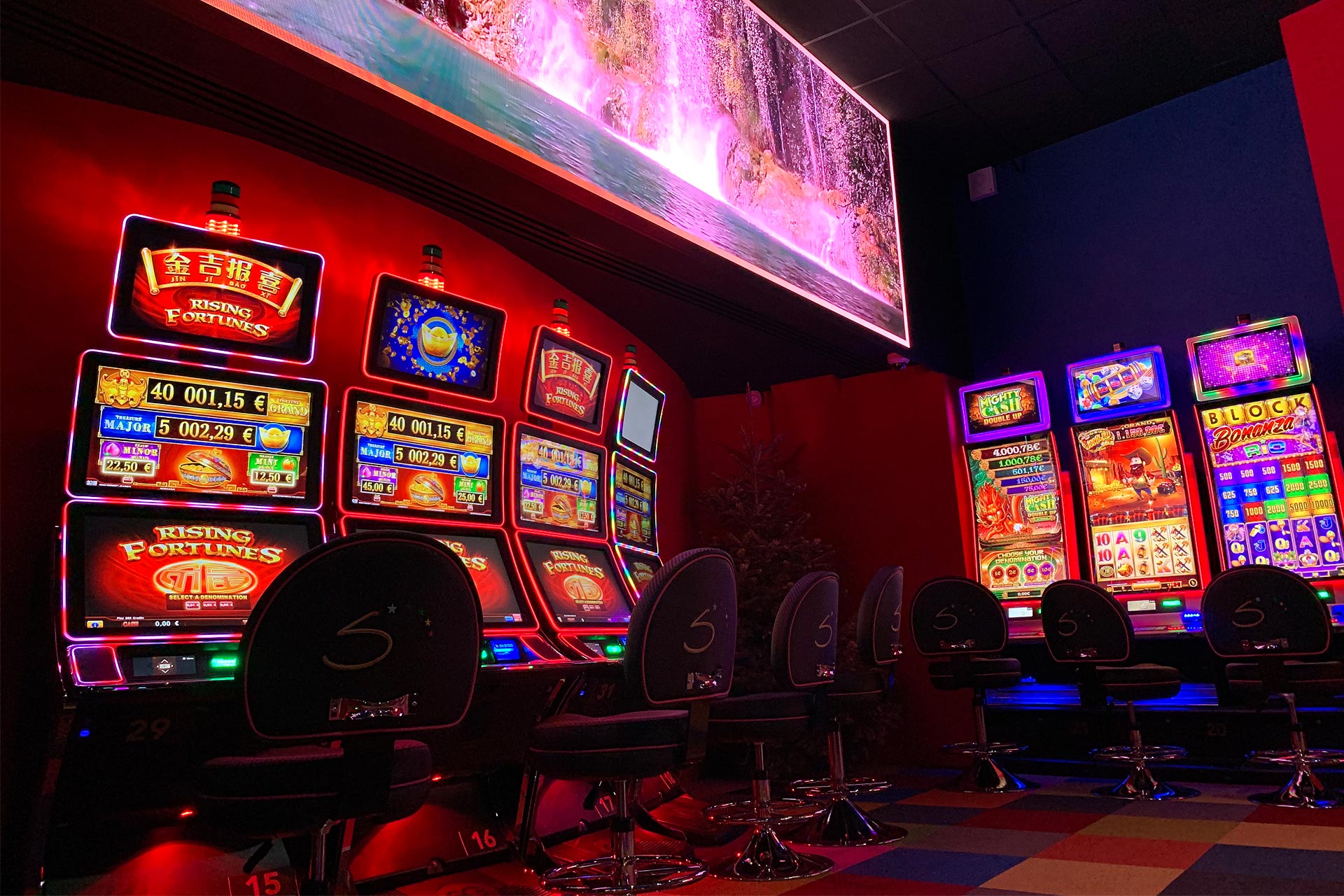
This phenomenon is often rooted in our brain’s reward system. When players win, even a small amount, dopamine is released, reinforcing the behavior and making it more likely they will return for more. The thrill of potentially winning big often overshadows the rational understanding of the odds, resulting in habitual gambling practices.
The Role of Cognitive Biases
Cognitive biases significantly influence gambling behavior, often leading players to make irrational decisions. One prevalent bias is the illusion of control, where individuals believe they can influence the outcome of games that are inherently random. This belief can lead to increased risk-taking, as players feel empowered and less likely to recognize the true odds stacked against them.
Additionally, the gambler’s fallacy plays a critical role in shaping habits. This bias leads players to assume that past events can affect future outcomes in games of chance. For example, if a player has lost several hands in a row, they may believe that a win is ‘due.’ Such thought patterns contribute to prolonged gambling sessions, as the desire to chase losses becomes overwhelming.
The Social Aspects of Gambling
Gambling is not just an isolated activity; it often involves social interactions that can further enhance its allure. Many people visit casinos not only for the gameplay but also for the social atmosphere. The buzz of excitement, laughter, and camaraderie creates a sense of belonging and community, making individuals more inclined to participate in these activities.
This social aspect can also lead to peer pressure, where individuals feel compelled to gamble to fit in or maintain relationships. The environment of a casino is designed to be inviting and engaging, further facilitating social connections that can enhance gambling habits. This dynamic adds a layer of complexity to the motivations behind why people choose to gamble.
Emotional Triggers and Escapism
For many individuals, gambling serves as a mechanism for coping with stress and escaping from reality. Life’s pressures can become overwhelming, and the casino environment provides a temporary sanctuary where players can forget their worries. The bright lights, sounds, and immersive experiences act as distractions from daily challenges, offering an exhilarating escape.
However, this emotional reliance on gambling can develop into problematic habits. When individuals start using gambling as a primary coping strategy, they may find themselves trapped in a cycle of chasing losses and seeking the next high. Understanding the emotional triggers that lead to such behaviors is crucial for addressing and potentially mitigating the risks associated with gambling.

The Importance of Responsible Gaming Platforms
With the rise of online gambling, the need for secure and responsible gaming platforms has become more critical than ever. Many websites prioritize user safety, employing advanced security measures to protect against online threats. These platforms not only ensure a secure browsing experience but also incorporate features that promote responsible gambling practices.
Encouraging users to set limits on their activities, providing access to support resources, and creating a safe environment are integral to fostering healthier gambling habits. As awareness of the psychological factors influencing gambling grows, it becomes increasingly important for these platforms to safeguard users and provide tools that encourage responsible gameplay.

